
Your Kingdom Come
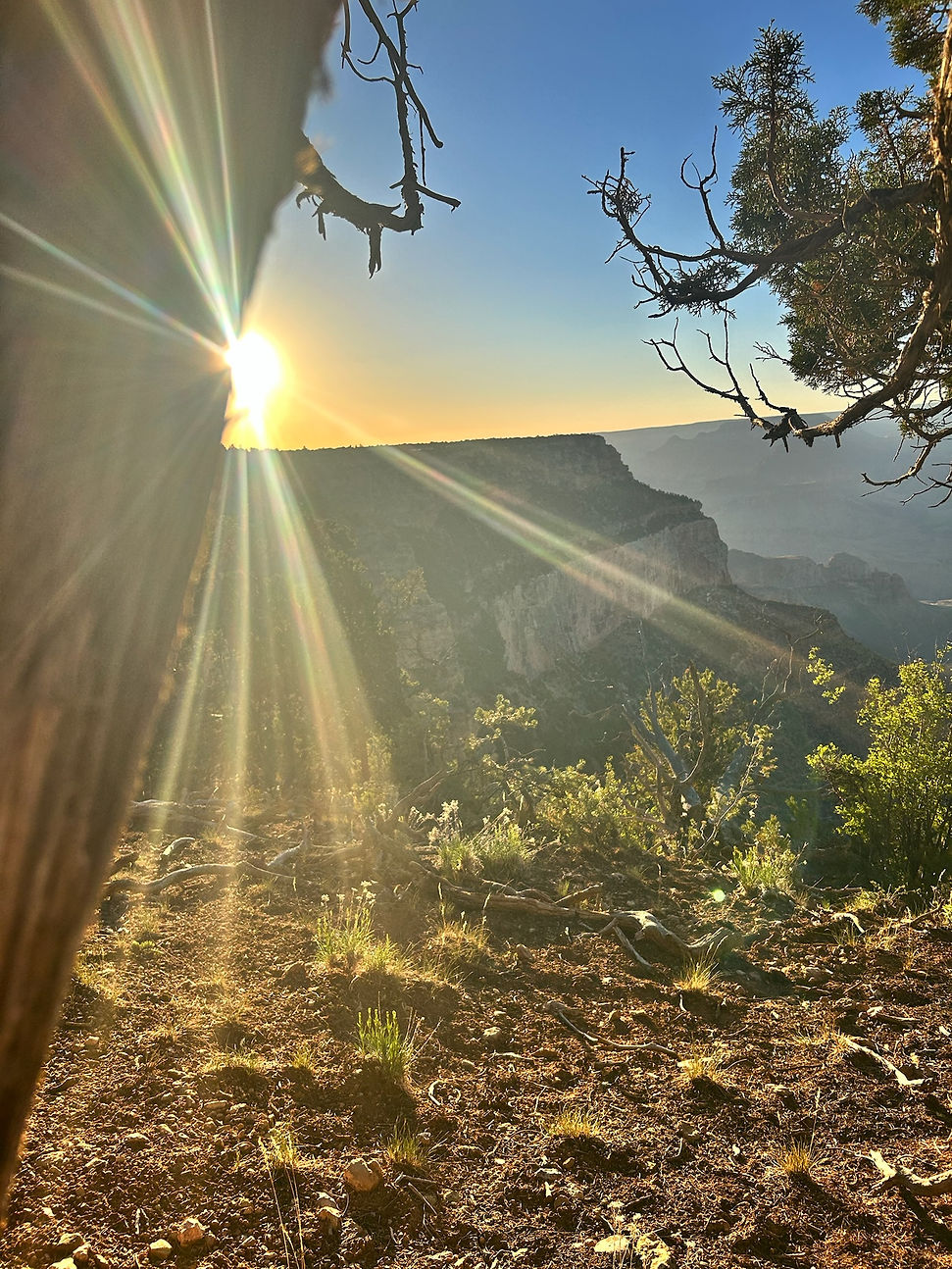

Your Kingdom Come
*Scroll down for the introduction letter to my blog.
"Pray then like this:
'Our Father in heaven,
hallowed be your name. Your kingdom come,
your will be done,
on earth as it is in heaven.
Give us this day our daily bread,
and forgive us our debts,
as we also have forgiven our debtors. And lead us not into temptation,
but deliver us from evil.'"
Matthew 6:9-13

A Biblical Exploration of 4 Questions & Their Impact on God's Kingdom
Dear reader,
First, know that you are deeply loved by the God who created you. God has an amazing purpose and plan for you. If you have never heard the message of the gospel, please check out “The Gospel” tab to hear the best news you will ever hear in your life. If you only read one post on this site, I recommend that post. I hope you are encouraged!
Please also know that while this blog is about Christian topics, it is written for anyone interested, regardless of religious or nonreligious background. If you come from another faith tradition, or from no religious tradition at all, you are very welcome here. I do not expect you to share my Christian assumptions or conclusions; I simply invite you to read, question, consider, and engage with the ideas presented here.
Second, what is God's kingdom? What does it mean for God's kingdom to come? God's kingdom is the world fully brought into harmony with God's purposes: a place of perfect love for God and every person God created, where justice reigns and death and suffering are no more (Matthew 6:10; 1 Corinthians 15:24–28; Revelation 21:3–5). God's kingdom fully coming would mean the transformation of the current world to reflect this. God promises throughout the Bible that His kingdom will fully come one day, and we can already see signs of God's kingdom wherever there is true love for God and people.
I am a Christian who has always loved asking questions about God, seeking to know Him more deeply, understand His Word more clearly, and grow in my faith. If you are new to this website, I would especially encourage you to begin with “One Thing: My Story” under “Your Kingdom Come Posts.” It shares much of my personal story and testimony—my faith, struggles, questions, and the ways I believe God has shaped me over the years—and provides helpful context before exploring the deeper theological material on this site.
In more recent years, I have asked deeper questions that hit to the heart of who God is, what God’s plan is for the world, who Jesus is, and who Christians are. These questions challenge orthodox Christian teaching. Given this, I was initially hesitant to even ask them. Who am I to question what most Christians have held as true for centuries? Perhaps, I considered, I should simply accept as truth what I had been taught most of my life and spend my time and energy elsewhere.
But my desire to understand more deeply who God is, what God’s plan for the world is, who Jesus is, and who Christians are won over. I was also motivated by considering the practical implications the answers to these questions have for God’s kingdom. These questions are not peripheral to life or faith. I did not want to simply accept what I had been taught, especially on harder topics, without thinking, studying God’s Word, and praying about them myself. So, in 2022, I began a spiritual journey centered around bringing four questions before God.
This blog contains the answers I have come to believe through years of studying Scripture, prayer, reflection, and research. I use primarily the Bible, God’s Word, to answer each question, as I believe the Bible is true and inspired by God. I also use history and logic.
While I have made firm conclusions to answer each question, I welcome feedback. My desire is not to be “right,” but to know what is true. I think what I write is true, but I know I may be wrong. Feel free to email me (see the Contact tab) and share what you think.
Considering and discussing each of these topics is well worth the time and effort because they hit to the heart of who God is, what God’s plan is for humanity, who Jesus is, and who we are. This is not simply an intellectual exercise or spiritual reflection.
The answers to these questions have practical implications for life, and I address some of those implications throughout my posts.
The 4 questions are:
-
Who is God?
-
What is God’s plan for the world?
-
Who is Jesus?
-
Who are Christians?
My biblical reflections and conclusions concerning these questions are in the “Your Kingdom Come Posts” tab. The posts are organized into a New Testament Study Bible, a section on Christian history, my personal testimony, four sections devoted respectively to each of these questions, and a final section about the end times and God’s ultimate restoration of all things (Acts 3:21).
I am very grateful for the biblical scholarship of Christians whose work helped me examine these questions. If you are interested in further research, you can find books, blogs, and other resources pertinent to considering each of these questions in the “Resources for Additional Research” tab.
If my conclusions are true, there are serious and practical implications for the Church that would affect, in some ways, 1) the way we worship God, 2) our understanding of God, Jesus, and the Church, and 3) how we minister to others.
I realize this is a strong statement to make. I state it because, if my conclusions are true, these questions have significant implications for how Christians understand and participate in God's kingdom. I explain all of this in detail throughout my posts.
I have asked God many times: if my conclusions are true, why are they unorthodox? Why does the majority Church disagree, at least to some degree, with many of my answers to these questions? I have thought, over and over again, that I must be wrong because so many genuine, God- and Jesus-loving Christians disagree with me.
But as I have talked with others about orthodox viewpoints, studied the Scriptures repeatedly concerning these questions, and prayed for wisdom, I have continued to find myself disagreeing with several widely held Christian teachings: the traditional doctrine of the Trinity, the predominantly masculine way God has been understood and described, the widespread rejection of universal salvation, and the belief that Jesus is God.
So I chose to write this blog, hoping to encourage others because I do believe what I write is true, while remaining very open to feedback because I know I may be wrong.
My primary motivation for writing, and my hope and continual prayer with the rest of God's people, is for God’s kingdom to come, on earth as it is in heaven.
To Christians: would you please prayerfully consider taking some time to read some of what I have written?
If you are not a Christian, I invite you simply to consider these questions from your own perspective and engage wherever you find them meaningful.
I believe having the truest understanding we can of who God is, what God’s plan is, who Jesus is, and who we are is important and impacts Christian life and practice. If Jesus is not God, then worshiping him as God would be, however unintentionally, idolatrous. Likewise, if the Holy Spirit truly is God and a divine person, then treating the Holy Spirit simply as God's power rather than recognizing and honoring the Spirit as God would be a serious error in how we understand and relate to God.
Scripture takes even unintentional wrongdoing seriously (for example, Leviticus 4:27–31). Sincerity therefore does not make questions of truth unimportant. As Jesus said, “God is spirit, and those who worship him must worship in spirit and truth” (John 4:24).
Truth deeply matters to God.
With that, I would add one more request: please give me feedback concerning where I may err in my understanding of God, His plan, Jesus, or anything else I have written.
I am not writing because I want to leave the Church or distance myself from it. I am writing because I love the Church, believe God is still at work within it, and believe that part of loving the Church is being willing to ask whether some of our inherited doctrines need to be reconsidered and reformed.
May God bless you, and may God's kingdom continue to come on earth as it is in heaven!
AI Assistance
I conduct and direct the research, develop and evaluate the theological arguments, and prepare and finalize the material published on this website. I also use AI as a research and editorial tool to help summarize and synthesize my analysis at times, restructure, clarify, refine, and strengthen my writing according to the arguments I am presenting, and, in a minority of cases, assist with drafting.
I personally review, edit, and approve the final content. The interpretations, conclusions, arguments, and final decisions reflect my own judgment, and I take responsibility for everything I publish.